Living with polytrauma injuries changes life significantly. Polytrauma refers to multiple injuries affecting different parts of the body at once. These injuries can impact how the body works, making simple tasks seem tough. Physical pain, trouble thinking clearly, and strong emotions are common challenges for survivors. The goal of this guide is to help survivors take steps towards independence. This means learning how to manage daily life better, so everyone can enjoy living more fully.
Understanding the Recovery Journey
After living with polytrauma injuries, healing may take time. The types of injuries vary, like broken bones, bruised organs, or damaged nerves. Each injury brings its own set of problems. Recovery might seem slow because of the body’s need to heal thoroughly. Having realistic expectations about progress is important. Patience is a key part of healing. Small steps add up, so don’t rush. Each day, you get closer to feeling better, even if progress seems slow.
Navigating Medical Care and Rehabilitation
An important part of living with polytrauma injuries is having a team of different doctors, nurses, and therapists. These experts work together to help you heal completely. They manage medical visits and decide what medicines or therapies are needed. It’s vital you go to your appointments, as consistency is key. Keeping track of medicines is important, too. Setting reminders can help you take the right pills at the right times.
Communicating well with your healthcare team can make a big difference. Here’s how: – Be honest about how you feel. – Don’t be shy about asking questions. – Write down things you want to remember to ask during appointments.
These steps can ensure you get the right care and keep moving forward.
Relearning Daily Activities and Self-Care
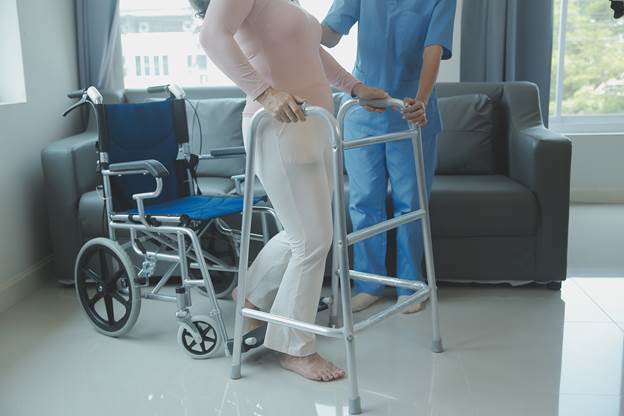
Everyday tasks like brushing your teeth, dressing up, or walking may require practice after injury. Living with polytrauma injuries can change how these tasks are done. Sometimes, new tools make tasks easier. For example, special handles or grabs in the bathroom can help with personal hygiene. Sometimes the environment needs changes to be more accessible, like rearranging furniture for clear paths or using ramps instead of stairs.
Managing energy is another part of adapting. Short breaks and planning simple tasks first help conserve energy and build independence over time.
Coping With Physical and Cognitive Changes
Even after injuries heal, some physical issues, like pain or reduced strength, might linger. Living with polytrauma injuries means adapting to these changes. It’s also common to face thinking challenges, like having trouble remembering things or concentrating.
To tackle these, try useful exercises to help your body and brain improve. Simple stretching can help with flexibility, and word puzzles or memory games can sharpen the mind. Gradually, as you get used to these practices, living each day comfortably becomes more manageable.
Emotional Health and Coping Strategies
For many, living with polytrauma injuries can be emotional, with feelings of anxiety or sadness common. Feeling this way is okay. Mental health is crucial in feeling better overall, and talking to a counselor can help manage emotions.
Engage in activities that bring peace, like breathing exercises or meditation. Staying in touch with loved ones is equally important. Family, friends, and fellow survivors can provide the understanding and encouragement needed to feel better inside and out.
Social Reintegration and Returning to Daily Roles
Going back to regular activities like work or school comes with challenges when living with polytrauma injuries. Start slowly by taking part in small activities before returning full-time.
At work, you might need changes or extra support, like flexible hours or special equipment. Advocating for what you need is important. Knowing your rights helps ensure requests are met. Getting back to normal life is possible, step by step.
Practical Tips for Daily Living
After living with polytrauma injuries, setting simple goals can show how far you’ve come. Tracking progress keeps the journey encouraging. Organize your day with tools like checklists or phone reminders. Asking family or friends to help can also lighten the load.
Making your home easy to move around can prevent accidents. Hide clutter and secure rugs to avoid trips or falls. These simple steps make home life safer and less stressful.
Resources and Support Systems
During tough times, knowing where to find help can be a lifeline. Across the country, groups offer support for those living with polytrauma injuries. Online communities connect you to others who understand your journey.
To aid daily life, look into devices that help with movement, reliable transport services, or financial support. Proactively using available resources means you’re never alone. Help is out there, and reaching out is the first step toward steady support and growth.
Conclusion: Empowerment in the Journey
Living with polytrauma injuries is a long journey with ups and downs. Remember, support from others makes this path easier. With time and persistence, a rewarding life is within reach. Never hesitate to lean on those around you and embrace the possibilities ahead.